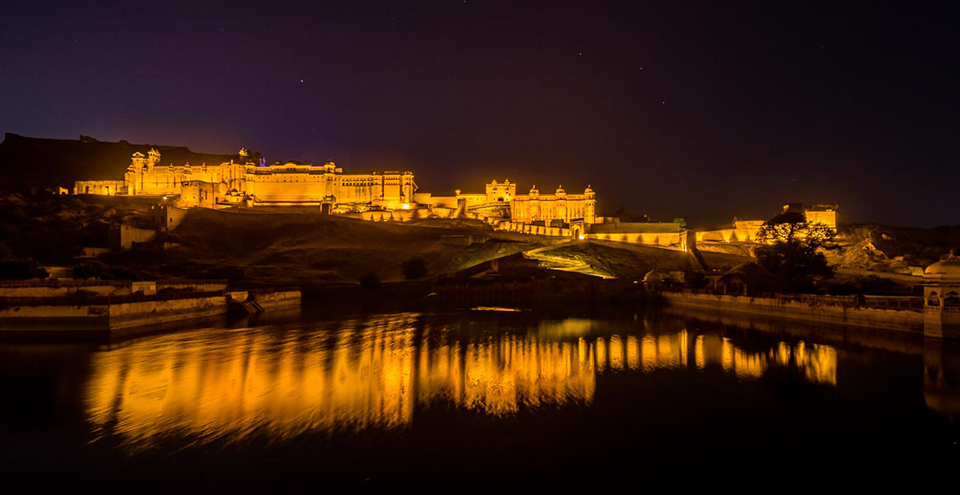
Amber (pronounced Amer) is at a distance of about 11 kilometres from Jaipur. Now a UNESCO World Heritage Site, it was the bastion of the Kachwahas of Amber, until the capital was moved to the plains, to what is today Jaipur. The palace, located in craggy hills, is a beautiful melange of Hindu and Mughal styles. Raja Man Singh I began construction in 1592 and the palace, which was built as a strong, safe haven against attacking enemies, was completed by Mirja Raja Jai Singh.
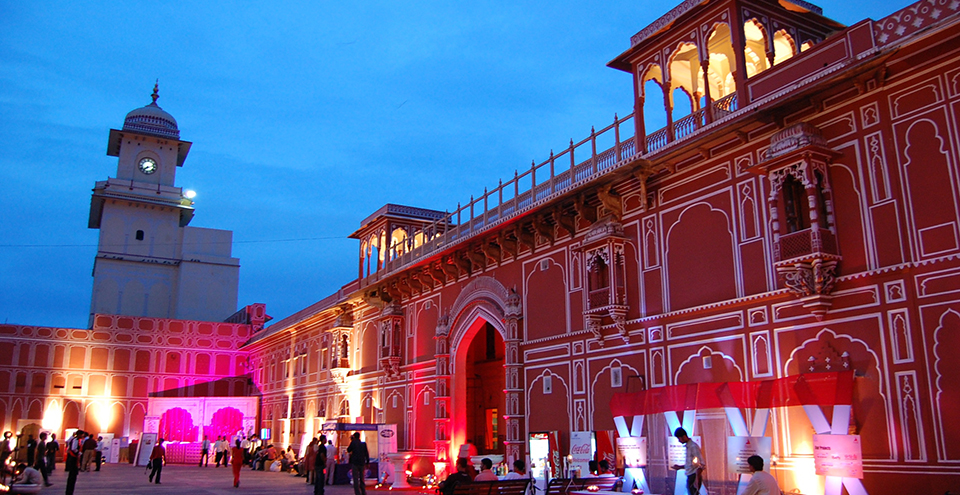
Located deep within the walled city, the City Palace Complex was conceived and built by Maharaja Sawai Jai Singh II, the founder of Jaipur. A beautiful fusion of Mughal and Rajput architecture, the palace is still home to the last ruling royal family which lives in a private section of the palace. Maharaja Sawai Jai Singh II is credited with building most of the structures, but it was expanded upon by later rulers as well. The City Palace Complex includes the Mubarak Mahal (the palace of reception) and the Maharani’s Palace (the palace of the queen). Mubarak Mahal now houses the Maharaja Sawai Man Singh II Museum and displays a vast and unique collection of royal costumes, delicate Pashmina (Kashmiri) shawls, Benaras silk saris, and other dresses with Sanganeri prints and folk embroidery. The clothes of Maharaja Sawai Madho Singh I are also on display.
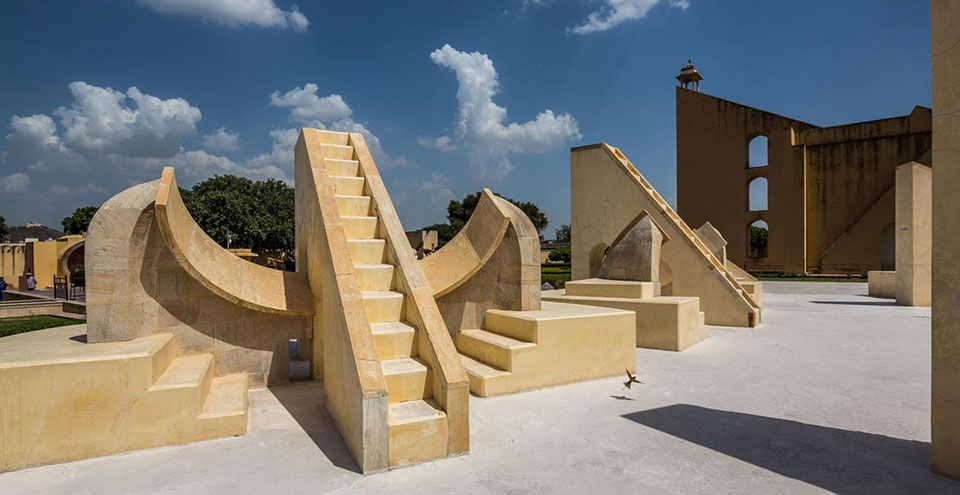
Now a UNESCO World Heritage Site, Jantar Mantar in Jaipur is considered to be the largest of the five astronomical observatories built by Maharaja Sawai Jai Singh II, the founder of Jaipur. It contains sixteen geometric devices, designed to measure time, track celestial bodies and observe the orbits of the planets around the sun. It also houses the Interpretation Centre that helps the tourists to understand about the working principles & chronolgy of the observatory.
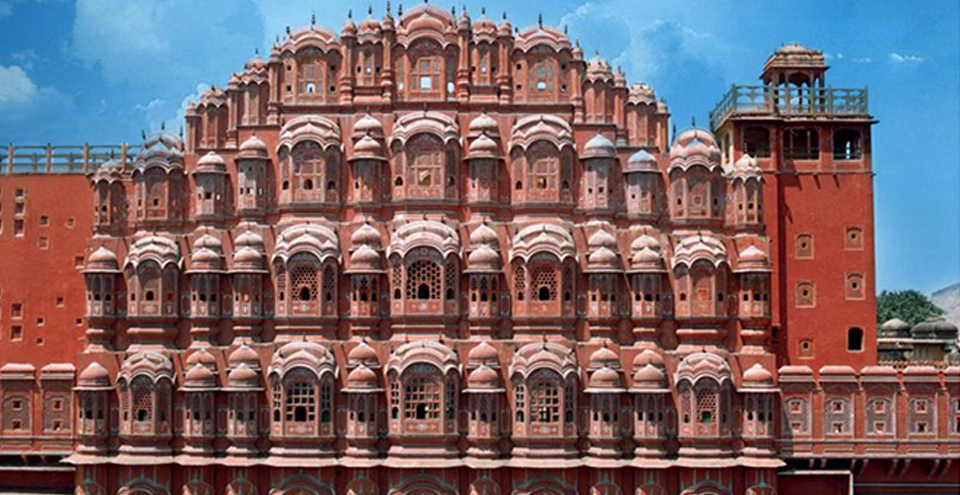
Hawa Mahal, literally the Palace of Winds, was built in 1799 by the poet king Sawai Pratap Singh as a summer retreat for him and his family. It also served as a place where the ladies of the royal household could observe everyday life without being seen themselves. This unique five-storey structure is a blend of Hindu and Islamic architecture, and the exterior, with its small latticed windows (called jharokhas), resembles the crown of Lord Krishna. The windows also serve as an air-conditioner of sorts, blowing cool air throughout the palace, making it the perfect retreat during summers.
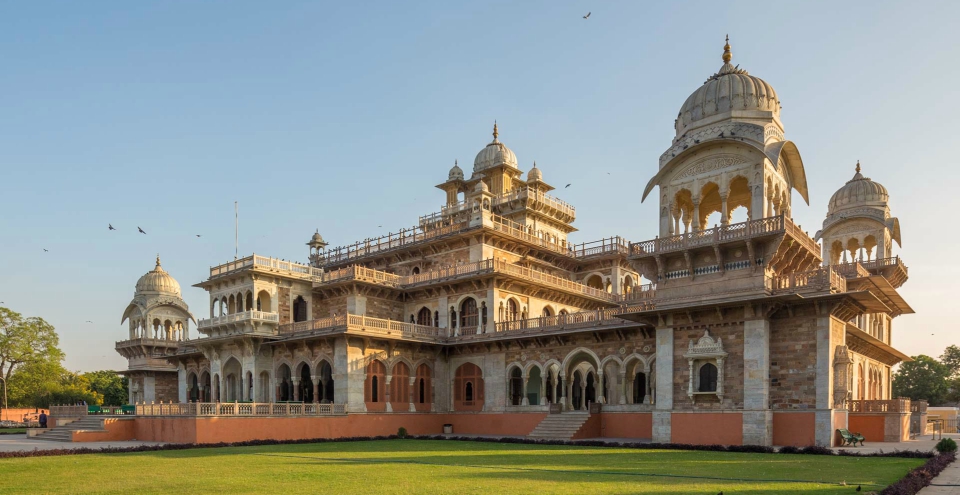
Nahargarh Fort sits proudly on a ridge of the Aravalli Hills, creating an impressive northern backdrop to the city of Jaipur. It was constructed during the reign of Jai Singh in 1734, and was later expanded in 1868. Nahargarh, which means abode of tigers, was a formidable barrier, defending Jaipur against attacking enemies. Within its walls, the fort houses Madhavendra Bhawan, the summer destination for the members of the royal family. Built by Sawai Madho Singh, the palace has 12 matching boudoirs for the queens, at the head of which is a suite for the king. They are all connected by corridors decorated with delicate murals. Even today the palace is a favoured spot for local picnickers. The fort looks brilliant when floodlit at night. Overlooking the city, it presents a glittering view of the city lights.
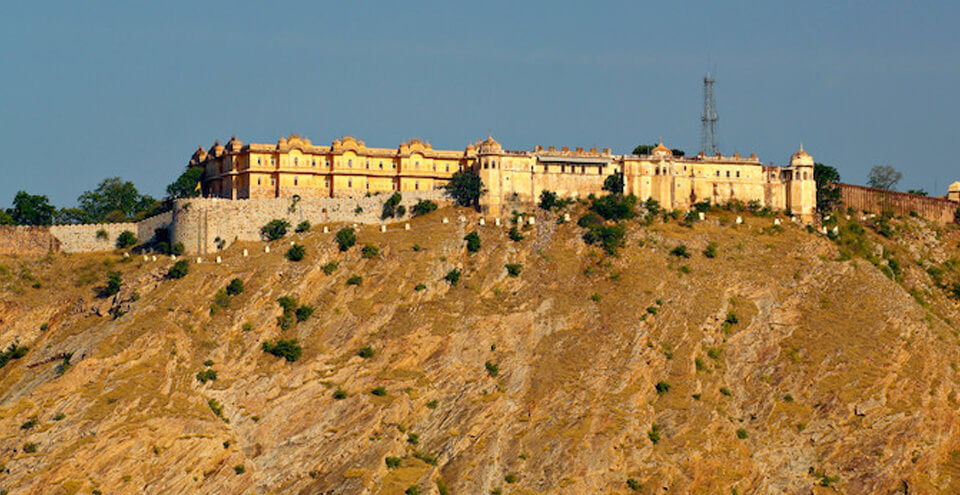
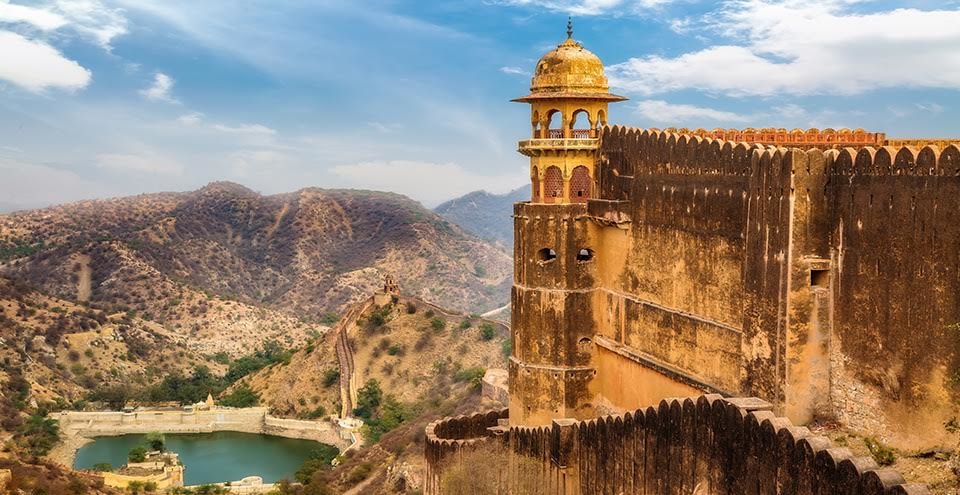
About 15 kilometres from Jaipur, Jaigarh Fort was built by Sawai Jai Singh II sometime in the early 18th century amidst the arid, rocky and thorn-scrub covered hills. Despite its ancient construction, it still retains most of its imposing citadel appearance. Visitors can see the world’s largest cannon – Jaiban, at the fort.